
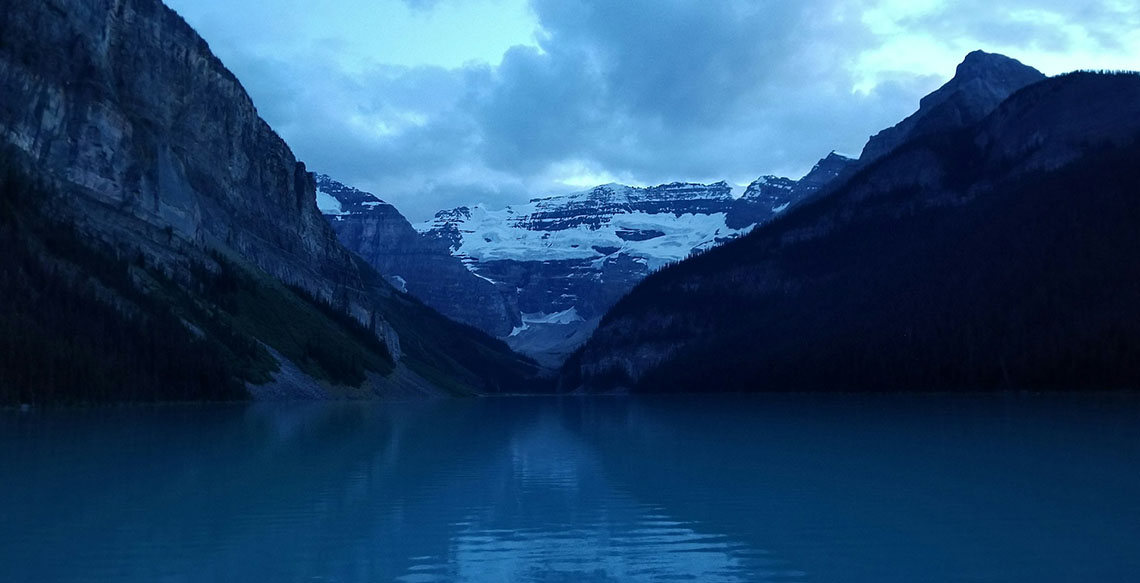
Dr. Clifford Jephcott lounged, his bald head supported by the forgiving bow of the packraft as it meandered to the end of its tether. The anchor tugged faintly, tilting Cliff’s head to one side. A hand slung lazily over the maroon tube, fingers caressing the water’s surface.
Ripples distorted an otherwise pristine reflection of the Great Canadian Shield. Thirsty cedars hugged the shoreline, overshadowed by their taller pine cousins pressing in from behind. Slabs of lichen-strewn granite observed all of this from the opposing side. Perhaps, long ago, petroglyphs reflected a message onto the shimmering expanse, but no longer.
It was possible that no other living human had borne witness to the incredible solitude that accompanied this lake with no name.
Cliff breathed in slow and full, then released with equal control. He repeated this process several more times, his body undulating with the slight rhythm of the depths below. The spring sun scorched his face, and he welcomed it. The heat a wondrous reprieve from the relentless Northern Ontario winter. Another pull on the anchor, and the packraft swung reluctantly under a gentle breeze that gathered strength across the open expanse.
He opened one eye at the change in direction, squinting against the glare. Cliff didn’t need the wind’s co-operation to take off; the lake was long enough that he could fight a crosswind if necessary. He lowered his eyelid once more, but the spell was broken. It was time to go home.
The inflatable raft rocked beneath him as he rolled partially over the edge, reaching for water. The lake chilled without mercy. Fingers sank into their own wavering image, then rose to pat the innocently smooth skin of a face accustomed to masks.
Blinking through the stinging cold, Cliff drew up the tiny anchor and spooled rope around its metal shaft—remnants of the deep clinging to the claw. The paddle bit into sunlit water, and he drifted toward shore. The raft bumped, scraped, then stopped. He stepped a sandal into the shallows and watched as minnows darted, fleeing the disturbance.
His large bear-proof cooler rested on the rocks, retrieved from its hiding place in the forest after a long boreal winter. It had stored his packraft, paddle, and pump: gear he’d stashed last fall in preparation for this day. The swim from plane to shore that morning had been numbing.
He collected the items, packed them inside next to a small air pump, and secured the lid. Then he stowed everything in the raft and shoved off.
At anchor waited a crimson-red 1969 Cessna 185, capable of operating on both land and water. It floated majestically, not of this unseen world, yet belonging to it all the same. A bush plane. The packraft nudged against an amphibious float. Cliff loaded the cooler into the rear storage compartment. A valve popped, air hissed, and the raft was folded neatly inside the cooler beside the broken-down paddle.
He lingered, standing on the float, one hand resting on a strut for balance. He had no phone to take photos, but this lake—he would remember.
As he entered the cockpit, the familiar scent of old fabric and stale air greeted him. It had a redemptive quality. He moved through the pre-flight sequence methodically; fuel, primer, flaps, trim. At fifty-two, he’d been flying for only five years, three on floats. A late start, but the kind that comes when a man needs purpose. The magnetos turned, and the Continental engine coughed once, shaking the entire frame, then roared with a deep, throaty bellow muffled by his headset. Spray feathered from the floats as the plane nosed toward open water, spooking a solitary loon that dove beneath the surface.
He rose, friction giving way to weightlessness and freedom. A bittersweet release he would never share.
The climb eased at three thousand feet. Cliff relaxed on the controls and peered out at his surroundings. Sunshine filtered in from his right, momentarily dulled by a passing cloud. Two hundred thousand unnamed lakes lay scattered across Ontario’s wilderness. They stretched around him in a panoramic sweep, shimmering bodies embedded in remote northern solitude.
***
He navigated by sight and memory, a map open on his lap. The contours of land and water unfolded below, guiding him home.
The Cessna droned contentedly, rising and falling with the unseen waves of turbulence. Warm air over the trees gave way to crisp pockets above the lakes. The seatbelt bit his hips with each consecutive dip. Sun magnified through the side window, beading sweat along his temples. He opened a vent and was enveloped by the blissfully sharp rush.
Checking his heading, he adjusted course to match his official flight itinerary and switched the transponder to ALT before entering controlled airspace.
“Thunder Bay Tower, Cessna Foxtrot Yankee Charlie Alpha,” he said into the mic. “Ten miles northwest at three thousand, inbound for landing.”
Brief static, then a relaxed reply. “Yankee Charlie Alpha, enter left downwind runway two-five, report joining downwind.”
Cliff banked serenely toward Lake Superior’s coast, the glare of its immensity cutting through his Ray-Bans as familiar landmarks slid into view beneath his wing.
***
He taxied to his parking spot near the apron’s edge. The propeller wound down; its final rotations sent a shudder through the frame before everything stilled. Cliff hung the headset on the yoke, lifted the latch, and shouldered open the door. Notes of avgas drifted in, displacing the trapped heat of sun-baked foam and vinyl.
He stepped onto the oil-stained tarmac, chocked the wheels, and ran ropes through tie-down rings to the ground anchors. Air riffled off the great lake, but the airplane held its composure.
Cliff heaved the cooler into his waiting truck, too old for modern electronics and navigation systems, but spotless despite its years. He closed the tailgate with a culminating click.
From the glovebox, he retrieved his phone and sent a required check-in to close his flight itinerary: Landed. Successful trip. Didn’t bring anything home… just catch and release.
***
Afternoon stretched slowly over the five-acre property. The western sun drew long shadows of birch trees, their buds ripe with the promise of warmer weather. Cliff reclined in an Adirondack chair next to the firepit with a paperback and a glass of red wine. He hadn’t read much, mostly using the book to block smoke or swat mosquitoes.
Two weeks had passed since his flight. A colleague had covered for him at the last minute so he could get away. He’d been paying her back and rarely left the operating room, today was his first bit of downtime since the trip.
A distant crunch of gravel interrupted the steady buzzing of wings and the occasional pop from within the flames. Tires on the winding driveway. He frowned, listening.
With a sigh, Cliff polished off the remnants of his wine and set the glass on the armrest beside his book. He stood, one knee cracking, and circled the side of the house. The driveway curved in front of a three-bay garage. An SUV sat in the shade of the tall home: the deep blue and white of the Thunder Bay Police.
A man in uniform was about to press the doorbell when Cliff appeared silently from around the corner, startling him.
Cliff paused, raising an eyebrow in greeting. “Can I help you?”
The officer stepped back, asked if he was Dr. Jephcott.
“I am. Can I help you?” His voice that of a man accustomed to telling, not asking.
There was a missing person, the officer explained. Had Cliff heard about it in the news? Of course he had; the face was plastered everywhere except milk cartons. Disappeared from his cabin—camp, to the locals. Authorities had been searching for over a week.
“Yes. What does this have to do with me?” They both knew what this had to do with him. Six years ago, a drunk driver had crossed the centre line, killing Cliff’s wife and children. A technicality led to a reduced sentence, but he called it murder without consequence. Now the driver was missing.
The constable explained that the man had towed a boat to his camp on Lac des Mille Lacs, but hadn’t been seen since. The boat was found adrift and an extensive search followed.
There were no signs of violence at the camp. Cliff knew this already.
“Are you suggesting I had something to do with the disappearance?”
No one was suggesting anything, the officer assured him. However, a second set of tracks was pressed into the mud, indicating the man may have been followed. The officer glanced at the truck, parked in front of a bay door. Meticulously clean. He asked how long those tires had been on.
Cliff waved away a mosquito. “I don’t appreciate where these questions are leading.” His expression impassive. “I swapped winters for summers about a week ago.”
Did he still have the winter tires? He did not.
What about the cooler? Security footage showed Cliff loading one into the plane the morning after the man went missing.
“I fish remote lakes. The cooler is where I store equipment, like my inflatable boat and pump, that sort of thing. It’s in the garage.”
Where was he that night?
“At home, watching TV. I’m sure my streaming history will back that up. And if you check the whereabouts of my phone, you’ll find it never left the house.”
And the truck? Would its licence plate show up on any cameras?
“No.”
What about tracking devices? Did his phone connect to any?
“No. Should I be calling a lawyer?”
A lawyer wasn’t necessary, the constable said he was just tying up loose ends.
***
The patrol car turned and crept down the driveway. Cliff watched the taillights disappear around the bend and heard the engine rise when it reached the highway, then fade into the distance. Turning to the garage, he punched in the code and ducked under the rising door.
One stall was typically reserved for his vehicle, but he rarely used it outside of the winter months. Salt had crystallized on the concrete floor where the truck normally sat. The family sedan had once occupied the empty middle bay.
The remaining space was part storage, part workshop. Closing the door behind him, Cliff approached a rolling tool chest next to his wooden workbench. He pulled open a drawer, removing tin snips and a hammer, then slid it closed.
From a shelf, he lifted a cardboard box, deceptively light for its size. He placed the box on top of the bench and removed the lid. He pulled out a stolen licence plate, flecked with bits of dried mud. With practised calm, he cut the thin aluminum into pieces and left them in a pile. Next emerged an AirTag, which was promptly smashed with the hammer. Its flattened shards joined the dismantled plate.
Years of preparation. Every detail, every contingency, every trace that could lead back to him.
He drew breath, deep and stuttering as he reached for the remaining item. His hand shook, something he wasn’t accustomed to. Surgeons need steady hands.
Out came an older model iPhone in a dull pink case worn smooth by countless trips in and out of pockets. He held the button and waited for it to power on. The code was his wife’s birthday, the phone had been hers and Cliff never cancelled the plan. He tapped the numbers, and the screen flashed with a background photo of Christmas morning. It looked as though they were staring straight at him, each wearing matching pyjamas. The smiles, oblivious to what would soon come.
He wiped uselessly at his eyes and took a minute to compose himself. A brief sound escaped his chest, but he pulled it back down before it could grow into something larger.
Cliff pressed the phone against his forehead with both hands. Tears traced down his cheeks, dripping off his chin and soaking into the workbench.
When composed enough, he opened the Find My app and found the AirTag labelled Boat Trailer. He deleted it, then placed the phone face down so he couldn’t see their faces and struck it with the hammer. Again and again, until it was unrecognizable.
The remaining evidence was brushed into the box. Cliff carried it through the rear door of the garage and gently placed it on the receding fire. He watched as the cardboard smoldered, then lit. The items trapped within. He added more wood and stepped back as the flames took hold.
[Image Credit : Photo by Frank Thiemonge on Unsplash]


 by
by 

Keith Fowkes
Latest posts by Keith Fowkes (see all)
- Among a Thousand Lakes - May 29, 2026
0 Comments